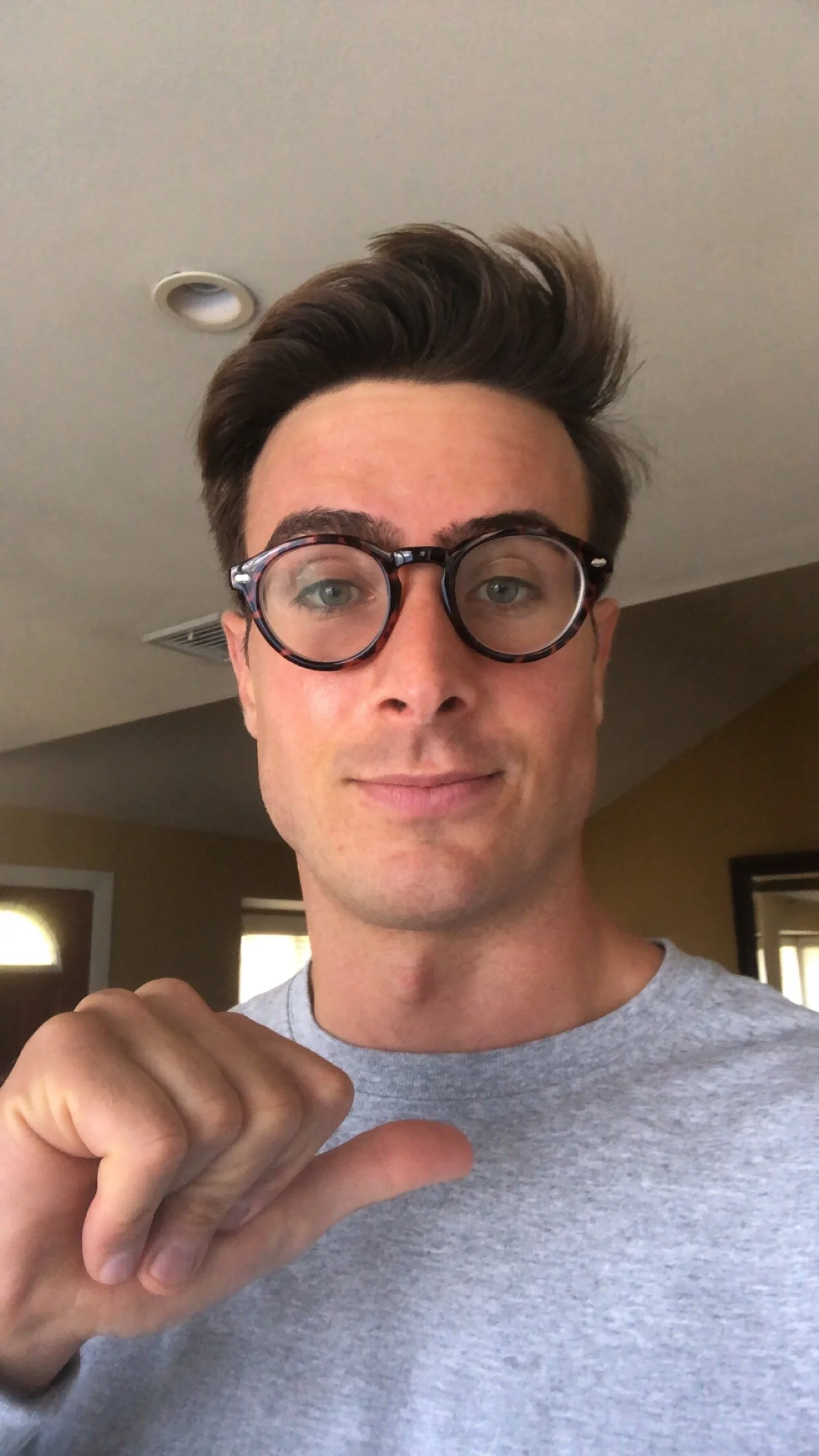
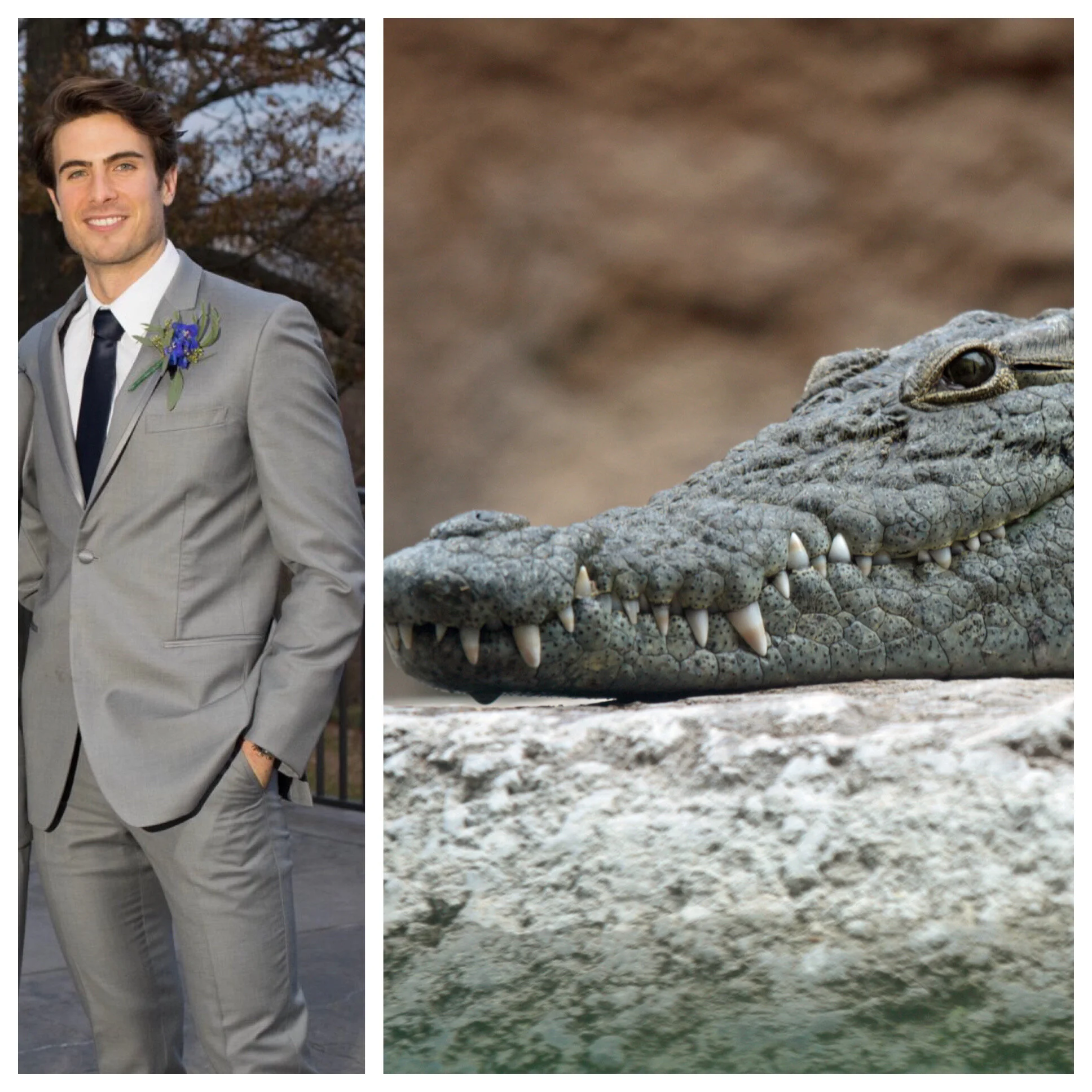
Once upon a time I was about as hard as Toaster Strudel™. My puff-pastry consistency had nothing to do with my physical exterior; I had “abs.” I was soft because despite obvious signs that my life was not in order—bodily pain, subpar relationships, a career I didn’t choose or like—I was content putting up a facade and doing nothing about it. I was soft because I settled for convenience over truth, easy wrongs over hard rights—mediocrity.
In the years since I was drilled between the eyes with this great dilemma, I have physically grown a half-inch; lengthening and strengthening my spine enough to finally measure that nice, even 75 inches my pediatrician promised me when I was 12. This journey has taken the better part of four years and to be quite honest, has been truly absurd. Yet the difficulty of what I have accomplished and the work required to make it so, has given me a gift way greater than anything physical ever could. It has ruptured my sense of normal to the point where I know—there is no such thing.
I no longer wake up to an aching back setting the tone for my day—everyday. The mental capacity previously spent preparing for the likelihood of a back spasm on my way to the bathroom has cleared, freeing up space for some much needed introspection.
I have found that when your physical body is no longer your handicap, the only thing that will prevent you from enjoying this life are the stories you tell yourself about some specious character that society has helped you create. A fear of failure is nothing more than the anticipated judgement of this made-up character against some baseline normal that does not actually exist. When you finally uncover the fallaciousness of the character you’ve been purporting, and the normal in which this character resides, you can destroy both and rebuild them as you see fit—fearing less and creating more. #nobackpain
The problem with exercise is the problem with everything: We understand the goal, but society has provided us with the wrong objective. We know the goal of exercise is to become healthier, yet somewhere along the way, we started viewing “healthy” and “abs” as interchangeable. “Abs” have become so normal that we willingly trade them for the integrity of our joints. However, if acquiring that six-pack at age 30 costs us the ability to tie our shoes at age 60, where was the health?
Healthy and abs are not synonymous. Neither is money and happiness. We know about the perils of trusting these associations, yet we make them anyway. We’re shocked after hearing about that 40 year-old in “great shape” who suddenly dropped dead of a heart attack as much as we’re shocked to hear about that famous person who committed suicide. Yet rather than put in the effort to discover what it truly means to be happy and healthy, we trust that society will provide us the answers; the above examples affirming that old adage about what happens when we assume.
When we subscribe to normal, we automatically concern ourselves with the opinions of others. Because we have never identified what health and happiness are to us as individuals, we measure what we have been told to acquire against our neighbor. Our fear of doing anything outside the bounds of normal prevents us from exploring these limits as individuals; the suppression of individual expression that is the cause of our suffering. Because we feel like we are in constant competition, we lie, cheat and steal to get ahead. We see the world as zero sum; that if we are not getting more, someone else is. We take from the world rather than give to it, and this costs us the most important part of our health—our mental.
Society inculcates us with the belief that money and abs are the goals of life, and when we create a character that adopts these standards as canon, we will go to great lengths to ensure that others are viewing us the way we want them to.
My former self is a glowing example of this type of buffoonery. I was the guy incorrectly doing the exercises in Pilates classes because I wasn't strong enough to do them properly. I did so because I had “abs,” and thus didn’t want the strong moms in class to think I was a fraud if I did them right and failed miserably. I cared what they thought of me because I was afraid. I was afraid that if I somehow didn’t live up to this big, strong, handsome, stud that I had created for myself, that I was a loser. This insatiable desire to live up to normal pulled me so far away from reality that I didn’t actually know what reality was. I was more concerned with looking strong than being strong when in reality, I was Toaster Strudel™ soft.
Two herniated discs in my back and a handful of really strong moms forced my hand. When I finally realized what my ego had been up to—attempting to fool others to avoid hard work—I was left with two options: A) continue with the lie (hard to do when you can’t walk); or B) roll up my sleeves and get to work.
The hardest part about option B has been the unlearning. Once society downloads its program into you, it’s all but impossible to reprogram without crashing first. I was blessed to have strong, middle-aged moms and a bad back to facilitate my crash, but not everyone is so lucky. We must crash to effectively dismantle normal because the crash shows us that normal has not been working for us as individuals.
If I have been doing everything society has told me, why do I still feel like shit?
After waking up to this truth, we can integrate a plan to ensure that emptiness never returns by teaching ourselves something we were never taught—the art of self-love.
My journey has made clear to me that this was my problem to solve, where I could be more involved. We’re never taught how to love ourselves because society encourages us to be someone else; someone that already exists. As soon as we are of age, we are imbued with the image of some handsome, jacked, rich dude living in suburbia with great hair, a beautiful wife, home, car and kids. Because this is a fantasy, we fall short of this expectation and because we fall short of this expectation, we are unable to love ourselves. The longer we remain tethered to a character that believes happiness can be purchased, the further we get from discovering that we don’t need to look that hard to find it.
I rediscovered my uniqueness and learned how to love myself by destroying what I previously considered normal, and putting back the pieces that I saw fit. It all started with a question: If the six-pack that society is encouraging me to acquire is leading to debilitating back pain, is a six-pack the objective of exercise?
Do I even need to answer that?
If you have lived long enough to acquire a six-pack or money, and still felt empty, you have stumbled upon the big problem: We have absolutely no idea what we’re supposed to be chasing. When we make this discovery, it’s easier to continue cultivating the character we have thought we should be, rather than accepting that the script is shit and starting from scratch. When our normal comes under attack, we flee because we’re afraid of what we may find if we stay and fight.
Society has been lying to you (about everything), exercise is just one example. The objective of exercise is not to have a six pack, it’s to build your tolerance to adversity so great, that nothing can fuck with you. It’s adversity training, normalcy smashing, individuality building. It’s choosing something you find uncomfortable and doing it everyday until you love it. It’s cultivating self-love and self-awareness through movement, and it works because nobody does it like you.
I stopped calling it exercise because exercise is a societal designation, and societal designations come with societal baggage; an adherence to normal. Calling it exercise is what allows us to justify running on the treadmill as a job complete. There’s nothing wrong with running, unless you neglect the myriad other ways a human being is designed to move. Life is going to make it hard to breathe. It’s going to place us in uncomfortable positions. It’s going to demand our flexibility. If we are content narrowing the entire scope of human movement to a singular motion just because society has deemed it normal, we will be unprepared to handle the moments when life requires more of us.
Tell a story to the world long enough and you will start to believe it yourself; the worst lies are the ones we tell ourselves. I disregarded obvious signs that my body was not working properly because I had “abs”; abs that made my story believable despite what acquiring them was doing to me mentally and physically.
Abs and money are the byproducts of being strong and being happy, not the other way around. When you dedicate your life in search of the truth, you end up acquiring the things you once thought were important by accident and ironically, you realize how unimportant they truly are. The pursuit of truth renders the opinions of others irrelevant because when you know you’re strong, you won’t be concerned with what others think. When you get there, life becomes fun again.
In the words of Matthew McConaughey, we need to be less impressed and more involved. It’s easier to cultivate a character that pursues what already exists, than to wander naked into the wild everyday, uncertain of what will return. However, the former—complacency—will leave us empty.
In sum, the world is full of holes. Choose one, and dedicate your life to patching it for the sake of others. We must challenge the conventions that have brainwashed us into taking more from this world than we give. We must build a solid foundation, not a flimsy facade. We must be prepared to challenge and adjust our faith—everyday—so that overtime, we have curated the strongest human being we can be. Most importantly, we must love ourselves so we can love others even more.